Sonic Compass · Mojo Review · IEM (universal) · Deep Dive
Juzear Nebula (× KOTO)
Brilliant with acoustic and classical, wrong for bass-heavy music — a specialist wearing an all-rounder's badge. Know which listener you are before you buy.
A specialist wearing an all-rounder's badge. Brilliant with acoustic, classical, chamber and vocal material, and among the most comfortable IEMs at the price. Genuinely frustrating on modern bass-led production. Work out which listener you are before you buy and you will either love this or bounce off it hard.
- Forensic on acoustic material — you hear the pluck, not just the note, and the musicians breathing
- A planar top end that is clear, precise and controlled, and stays legible through a crescendo
- Comfort is a genuine standout — hours with zero fatigue, no bite, no sibilance
- Vocal-forward tuning; female vocals especially shine
- One cable, two plugs — 3.5mm and 4.4mm interchangeable, plus a leather pouch, at US$130
Where it sits
Sonic Compass does not score gear out of ten. Gear and listeners are plotted on the same seven axes, so a review tells you where a product sits — and you can see how far that is from where you sit. A position is a description, not a grade.
- Tone ColourCool · 25%
- Texture DetailDetailed · 78%
- Dynamics JumpGentle · 26%
- Space & ImagingBalanced · 40%
- Timing & FlowRelaxed · 30%
- Comfort & FatigueVery easy-going · 90%
- Emotional EngagementBalanced · 55%
Cool and clinical rather than warm. I did not hear the warmth some reviews describe; two Japanese reviewers agree ("neutral with a slight cool bias"). Clarity and precision, not richness.
Material-dependent, and that is the headline. A scalpel on sparse acoustic material — fingers on strings, the breathing of the musicians — and merely ordinary on dense modern mixes. Explains why two careful reviewers disagreed.
Tight and controlled but tame. On Oni Mode the bass was sacrificed and the notes never glued into music. Not a bass earphone, and the published consensus agrees ("adequate but uninspiring").
PROVISIONAL. I heard intimate and close; I formed that on the densest record of the night and never rechecked on the classical material, where three reviewers heard more depth. Treat as one opinion; expect it to move up on a proper retest.
On bass-led material "the general marrying of notes is a failure" — it shows every element and does not lock them together. On acoustic material the timing is fine; this axis is about the modern-production case.
"COMFORT IS A WINNER", in capitals, unprompted. Hours with no fatigue, no treble bite, no sibilance. Every published review agrees. One of my two highest-priority axes, comfortably satisfied.
Bimodal by design. On the Verdi — "wonderful, beautiful, just beautiful". On slowed hip-hop — "I am not liking this at all". It moves you on the right material and leaves you cold on the wrong material; there is not much middle ground.
How we review, and why there are no scores out of ten
Sonic Compass does not grade gear. We plot gear and listeners on the same seven axes — Tone Colour, Texture & Detail, Dynamics & Jump, Space & Imaging, Timing & Flow, Comfort & Fatigue, Emotional Engagement — so a review tells you where a product sits, and you can see how far that is from where you sit. A position is descriptive, never a grade: a cool tone score means "cool", not "bad". Fit is compatibility, not quality.
The Nebula
Juzear built it with the Japanese reviewer Kaji, known as KOTO, as the flagship of its POISE series. It is a five-driver tribrid: a MACCD multi-layer amorphous-carbon dynamic driver on bass, three custom balanced armatures on the mids and vocals, and a custom micro-planar handling the top end, all on a four-way acoustic crossover. The brief was an expansive, vocal-forward sound — and what came out is a genuine specialist. Inside its lane — acoustic, classical, anything recorded in a room rather than built in a box — it is excellent value. Outside it, it is genuinely frustrating.
Design and build
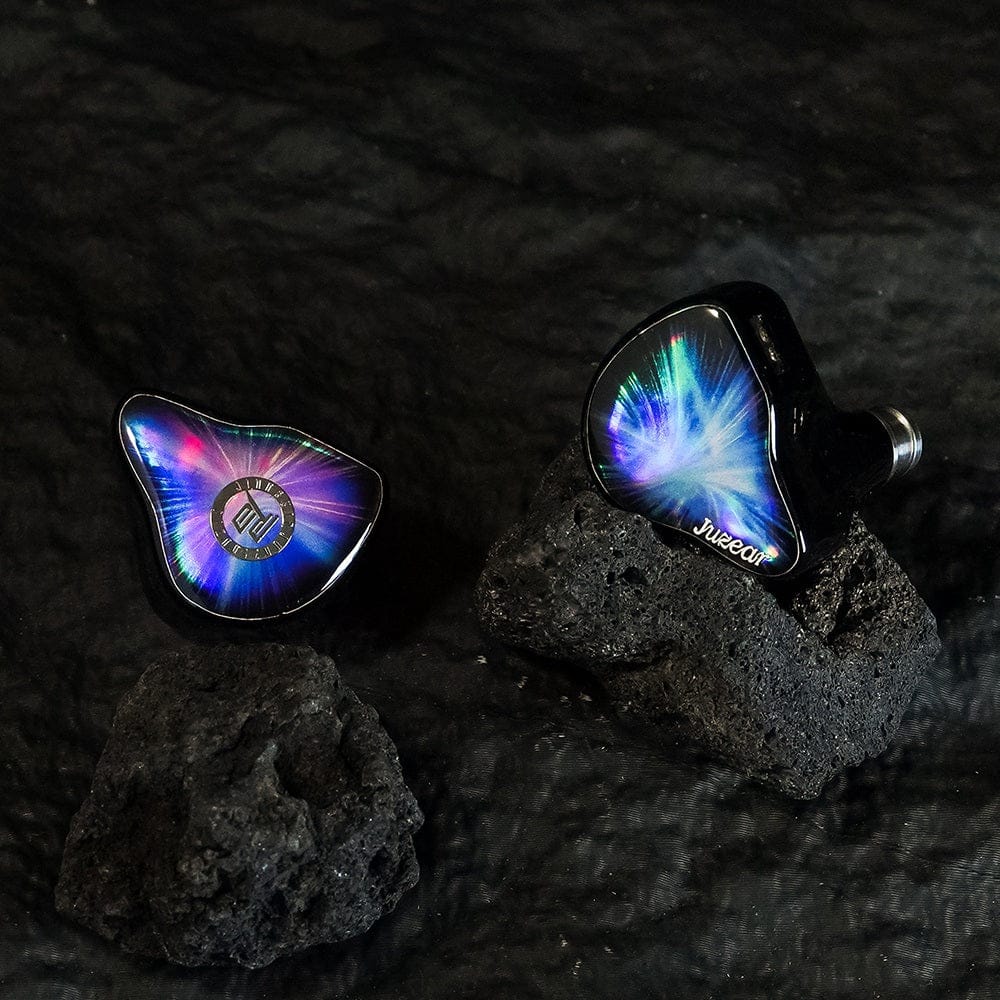
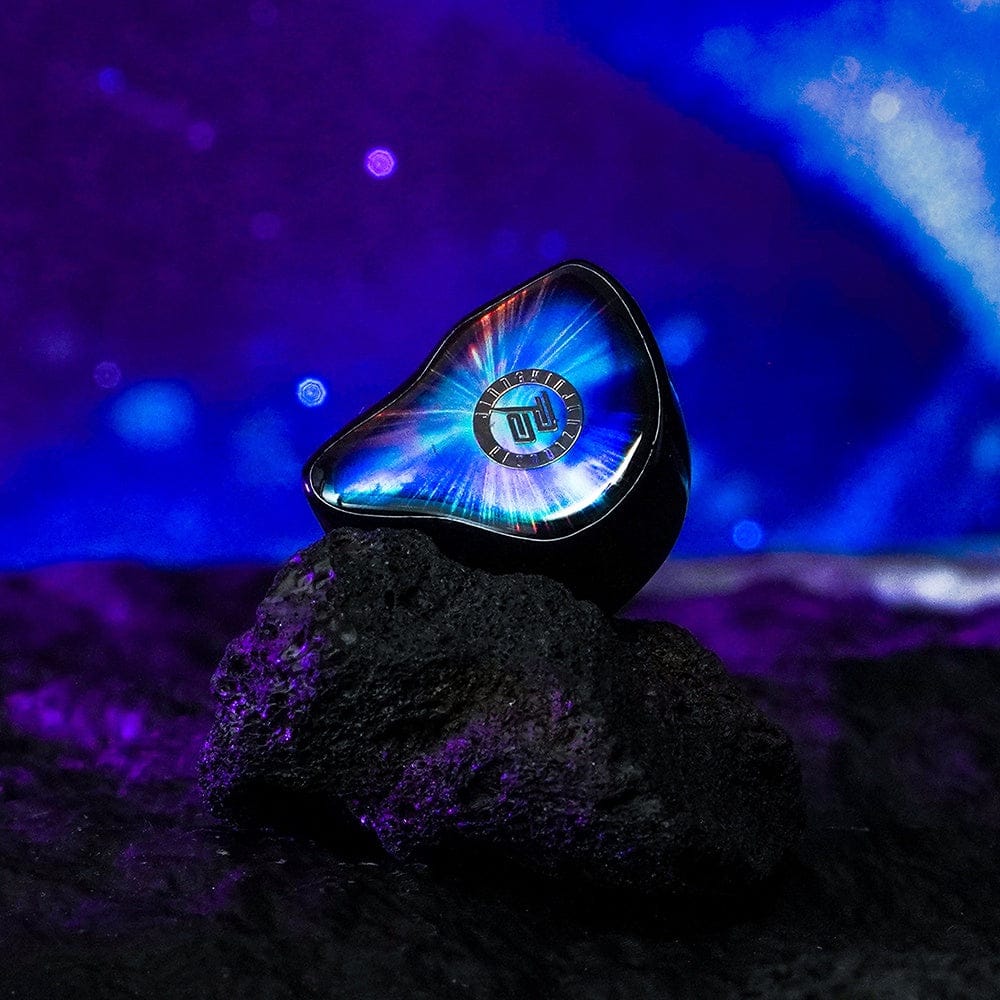
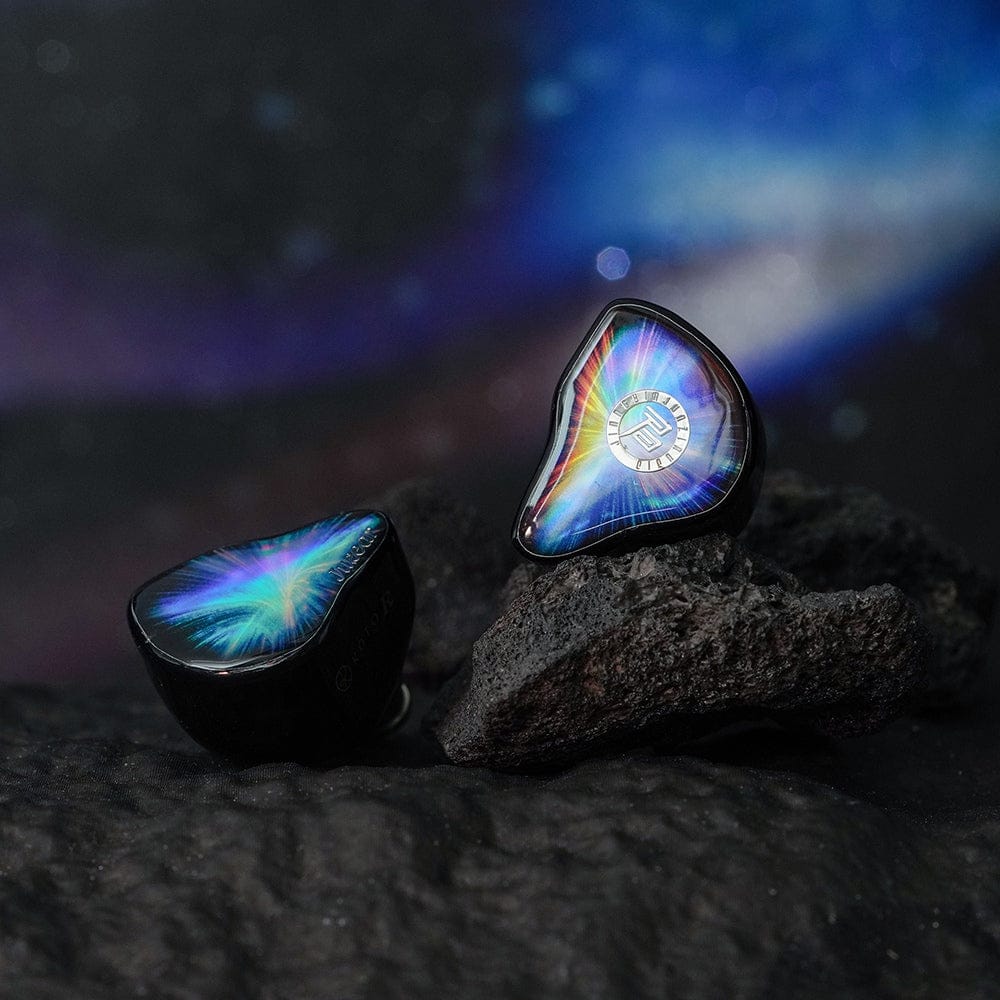
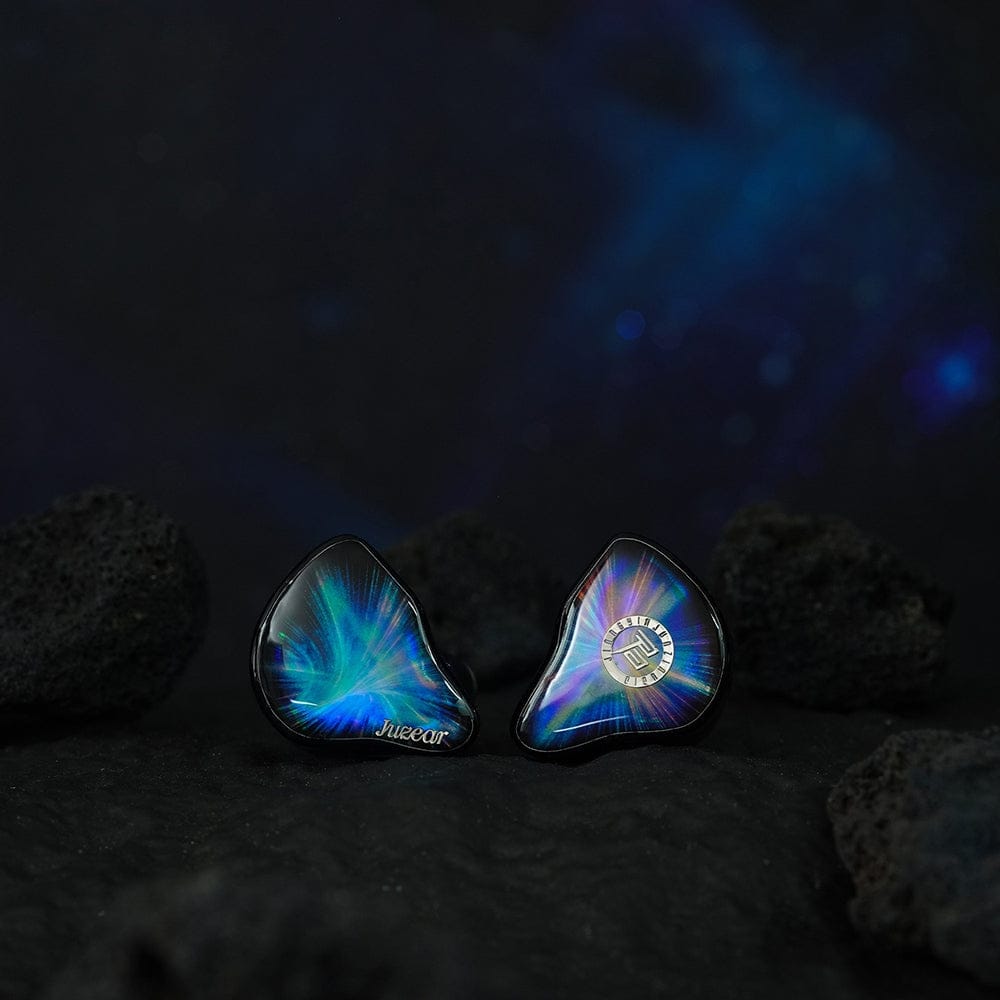
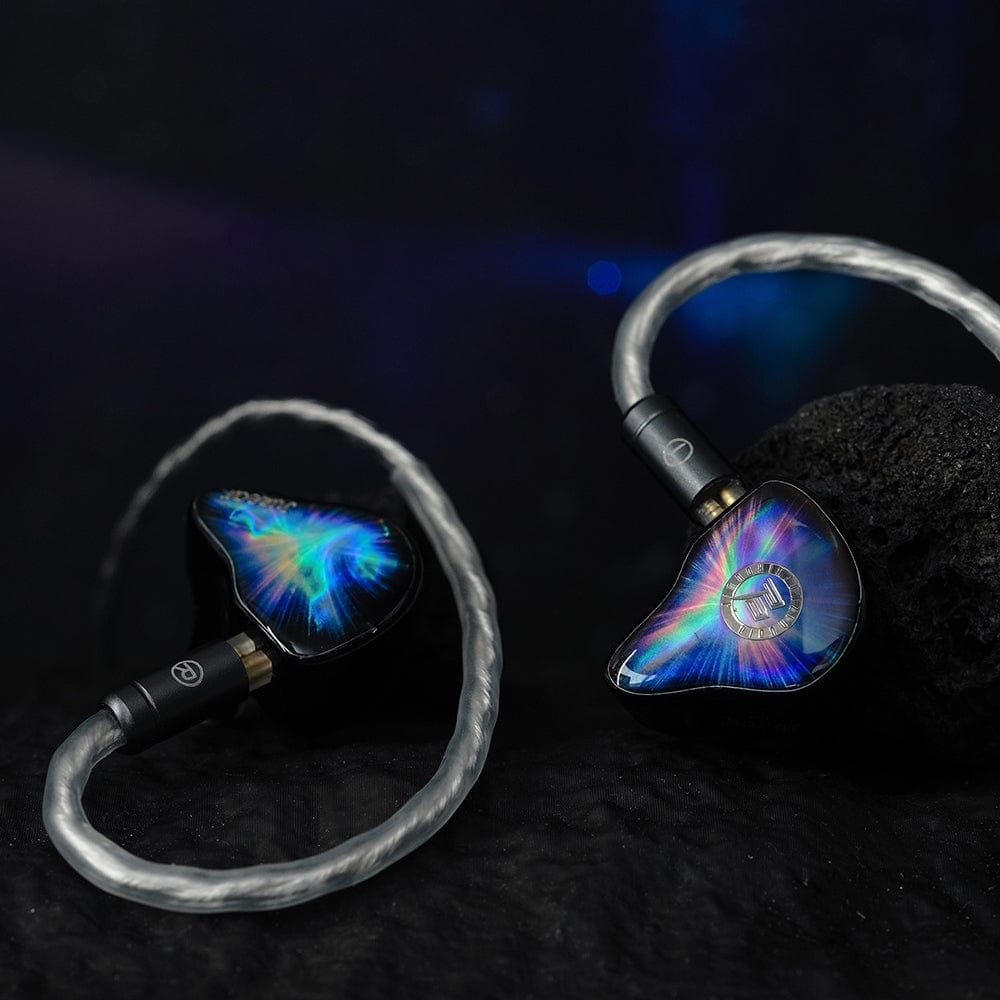
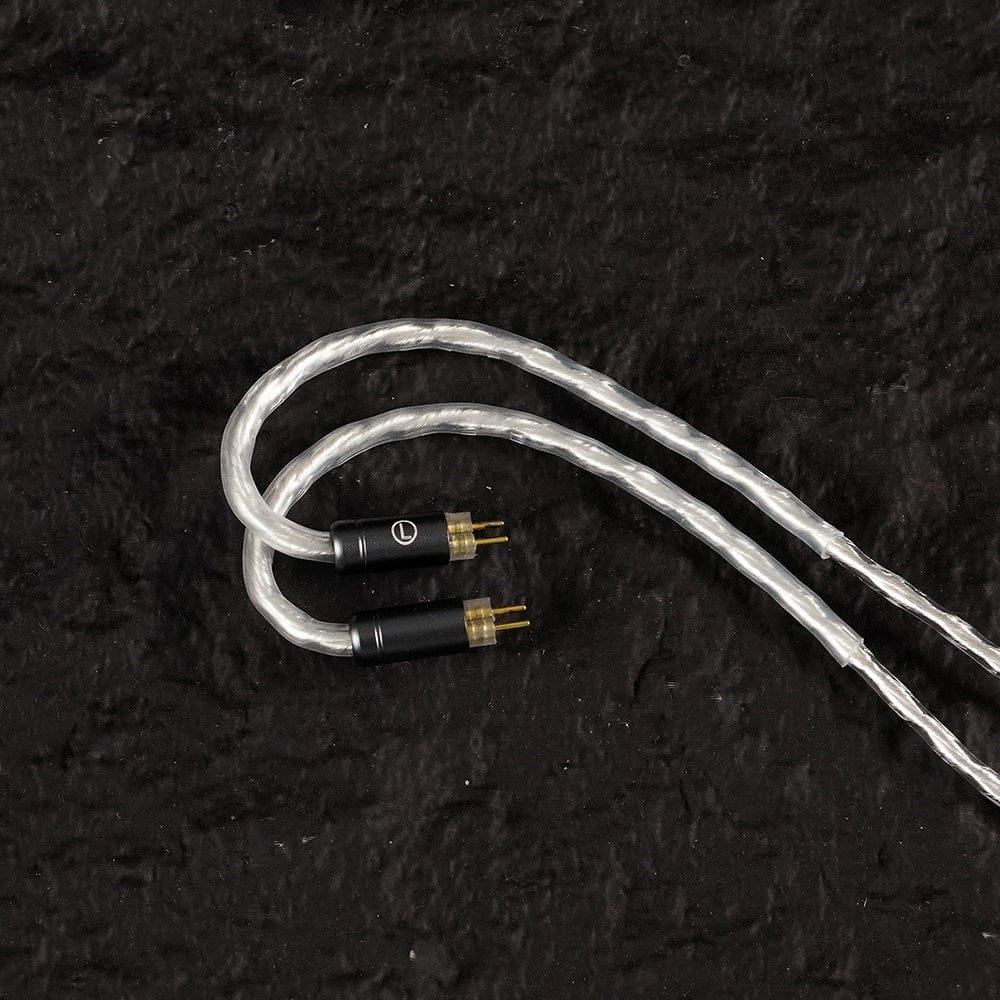
The Phantom Colour faceplate is a nebula: laser layers, micro-jet printing and a colour-refraction process that shifts blue-to-violet with the angle. The shells are lightweight resin at 6.1g per side. It ships with a 6N OCC silver-plated 400-core cable with interchangeable 3.5mm and 4.4mm plugs, so you choose single-ended or balanced without buying a second cable, plus a leather pouch, several tip sets and the paperwork.
Comfort
This is the thing I would most want a buyer to know. I listened for hours with no fatigue at all: no treble bite, no sibilance, nothing that wears you down. If you do long sessions, this is a real strength and not one every IEM at this price gets right. "COMFORT IS A WINNER" is in my notes, in capitals, unprompted.
The session
Reviewer profile: The Stage Builder. Laptop into a Muse HiFi M3 Ultra, run back to back with the Juzear Fiesta on the same tracks, one evening, four of the fifteen rows on my genre grid.
Listening journey
Le Ruisseau, Punch Brothers (acoustic chamber)
This is the track that makes the case for the Nebula, and everything it does badly elsewhere is the same thing it does brilliantly here. Mandolin, violins, and you can hear the breathing of the musicians. String picking carries the sound of the pluck with it — not just the note, the finger on the string. The treble is not overwhelming at all: clear, precise, controlled and effortless. When the song builds to a crescendo I am not bombarded; the clarity holds across the whole wall of sound.
Macbeth, Act 1: Nel dì della vittoria, Verdi (opera)
I wrote this down at the time: "Wonderful, beautiful, so elegant, just beautiful." That is the entire note. Sometimes that is the right length.
Oni Mode (Slowed), Free Flow Flava & ndls404 (slowed hip-hop)
The Nebula lost me completely. More laid back, treble more pronounced, clinical, not warm at all. Far more precision in the detail — arguably more than the alternative — but the bass is sacrificed and the general marrying of notes is a failure. I could hear every element and none of it moved me. "I am not liking this at all." If your library is bass-led, this is the wrong earphone.
Half Moon Run
Sun Leads Me On / It Works Itself Out / Everybody Wants (indie/rock) — Clean, clear and distinct. Bass presents forcefully and toe-tapping falls into place effortlessly; vocals ride high, singer front and middle. Staging did nothing for me here — intimate, close, comforting. Separation and resolution fine, nothing special. (Honest caveat: I formed that stage impression on this dense, close-mixed record and never checked it again on the classical material, where other reviewers heard real depth — see Honest limits.)
| Track | Position | Note |
|---|---|---|
| Punch Brothers — Le Ruisseau | 92% | The case for the Nebula. Fingers on strings, musicians breathing. |
| Verdi — Nel dì della vittoria | 95% | "Wonderful, beautiful, just beautiful." The whole note. |
| Half Moon Run — Sun Leads Me On | 68% | Clean and clear; stage intimate, "nothing special". |
| Free Flow Flava — Oni Mode (Slowed) | 25% | Bass sacrificed, notes never marry. "I am not liking this at all." |
Critical observations
Where the Nebula sits
The shape leans out toward Tone (cool), Detail, Comfort and analytical listening, and pulls in on Dynamics and Timing. It gives up bass weight and groove for clarity and precision. If you listen for how a thing was played rather than to feel it in your chest, that is a good trade.
Bass
Tight, controlled, and — for anyone who wants impact — tame. On Half Moon Run it presented forcefully enough that toe-tapping fell into place; on Oni Mode it lost me. All the detail was there, more of it than the Fiesta, and none of it moved me. Nobody in the published reviews is calling this a bass earphone either ("adequate but uninspiring", "held slightly back"). Do not buy it for bass.
Mids
Clean, clear, distinct. Vocals ride high above and within the band, singer front and middle. The three balanced armatures do their job: this is a vocal-forward tuning and female vocals especially shine. Where it earns its money is texture — on Le Ruisseau you get a clear sense of people playing instruments, the finger on the string, not just the pitch.
Treble
The planar does its job. Clear, precise, controlled, effortless, and never overwhelming; even on a crescendo I was not bombarded. There is a cool bias here — I would call it clinical on the wrong material. I want to be plain that I did NOT hear the warmth some reviews describe.
Detail
The finding I think matters most, and it is why two careful reviewers reached opposite conclusions. The Nebula's resolution depends heavily on what you feed it: sparse acoustic material and it is a scalpel; dense modern production and it is ordinary. My own notes contain both — "nothing special" on Half Moon Run, forensic string texture on the Punch Brothers. That is not me being inconsistent; it is a real characteristic of the earphone.
Stage and imaging
Presented more intimately than I expected: close and comfortable rather than expansive. Honest caveat — I formed that impression on the densest, most close-mixed record of the night and never went back to check on the classical material, where other reviewers heard real depth. One reviewer says "wide in all directions", another "moderate width, real depth, not extremely wide"; the brand claims a 3D stage. Treat mine as one opinion; the stage position below is provisional. Nobody is describing a concert hall.
Comfort
Dead right, in capitals. Hours of listening, no fatigue, no treble bite, no sibilance. Every published review agrees it is fatigue-free. Comfort is one of my two highest-priority axes and the Nebula satisfied it comfortably.
Cross-check
On tone I am with two Japanese reviewers ("neutral with a slight cool bias", sharp planar treble) against Prime Audio, who hears it warmer with a 6kHz dip — and Prime Audio also had fit trouble and swapped the cable, and fit changes treble more than people admit. On detail the reviewers genuinely contradict each other, which the material-dependence above explains. On bass everyone quietly agrees it is tight but tame.
Honest limits
One session, four genre rows. No measurements taken; every position is listening, cross-checked against published reviews and flagged where unearned. The stage position is a single-track impression contradicted by three published reviewers and is provisional until a level-matched retest on Le Ruisseau and the Verdi rather than on Half Moon Run. Product photography is Juzear's, credited. I bought both Juzear sets.
Frequency balance
Present but held back; extension is there but restrained. Not where this earphone spends its money.
Tight and controlled, tame on impact. On bass-led production the low end does not glue the track together.
Clean, clear, distinct; vocals ride high, singer front and middle. Vocal-forward tuning, female vocals especially. The home of what the Nebula does well alongside detail.
The planar handling the top end: clear, precise, controlled, effortless, never overwhelming even on a crescendo. Cool bias; clinical on the wrong material.
Forward and clear, singer front and middle. Female vocals shine. On Verdi, "so elegant, just beautiful".
- Le RuisseauPunch BrothersAll Ashore
- Macbeth, Act 1: Nel dì della vittoriaGiuseppe VerdiMacbeth
- Sun Leads Me OnHalf Moon RunSun Leads Me On
- It Works Itself OutHalf Moon RunSun Leads Me On
- Everybody WantsHalf Moon RunSun Leads Me On
- Oni Mode (Slowed)Free Flow Flava, ndls404
- Driver Configuration
- 1DD + 3BA + 1 planar tribrid (5 drivers per side)
- Driver Details
- MACCD multi-layer amorphous-carbon dynamic (bass); 3 custom balanced armatures (mids/vocals); custom micro-planar (treble); 4-way acoustic crossover with four independent tubes
- Impedance
- 32Ω
- Sensitivity
- 110±1dB
- Weight
- 6.1 g per side
- Frequency Range
- 20Hz–20kHz (26dB isolation)
- Build Materials
- Lightweight resin shell; Phantom Colour faceplate — laser layers, micro-jet printing and a nebula colour-refraction process that shifts with angle
- Cable Connectors
- 0.78mm 2-pin. 6N OCC silver-plated 400-core cable (100 cores/strand), PVC double-layer jacket, interchangeable 3.5mm and 4.4mm termination plugs
- Accessories
- Interchangeable 3.5mm + 4.4mm plugs, leather pouch, multiple ear-tip sets, cleaning cloth, documentation
- Build Quality Notes
- Juzear × KOTO, POISE series. Launched 21 July 2026 at US$129.99. Co-developed with Japanese reviewer Kaji (KOTO). Photos: Juzear Audio, credited.
A specialist wearing an all-rounder's badge. Brilliant with acoustic, classical, chamber and vocal material, and among the most comfortable IEMs at the price. Genuinely frustrating on modern bass-led production. Work out which listener you are before you buy and you will either love this or bounce off it hard.
Buy it if…
you listen to acoustic, folk, classical, chamber or vocal jazz — anything where instruments are recorded in a room rather than built in a box; if you value hearing how a thing was played, the fingers on strings and the breath before a phrase; if comfort over long sessions matters to you; and if you are not chasing bass and will not miss it.
Skip it if…
you are mostly on modern electronic or hip-hop production, or if you need a big spacious presentation. On dense bass-led material it takes everything apart and forgets to put it back together. Four stars of earphone in its lane, and the wrong tool outside it — there does not seem to be much middle ground, so know which listener you are before you spend the money.